

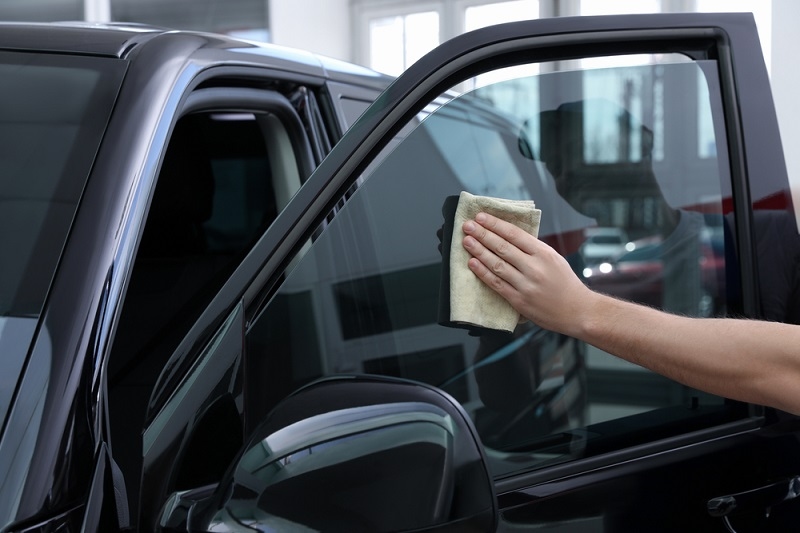
Most people think tinting is about looks. It is not. The real value is comfort, protection, and long term savings. If you drive daily, park outside, or live in a hot state, this upgrade makes a visible difference.
In this guide, I am breaking down the real car window tint benefits, how window tinting for cars works, what the benefits of window tinting actually mean in practical terms, how car tinting laws affect your choice, and how to pick the best window tint for cars without wasting money.
Let’s get into it.
Window tinting for cars involves applying a thin film to the inside of your vehicle’s glass. This film is engineered to control light and heat. It reduces visible light, blocks infrared heat, and filters ultraviolet radiation.
Sunlight entering your car contains:
A quality UV protection window film blocks up to 99 percent of UV rays. According to the Skin Cancer Foundation, UV exposure through windows contributes to premature aging and skin damage. That alone makes tint practical, not cosmetic.
The type of film you choose determines performance. I will cover that later.
Must Read: Essential Car Care: 10 Must-Know Tips for New Vehicle Owners
These are the advantages you will actually notice every time you drive.
The first major advantage is protection. A good UV protection window film blocks harmful ultraviolet rays that cause:
If you commute 30 to 60 minutes daily, that exposure adds up. The car window tint benefits here are long term. Your interior lasts longer. Your skin is better protected.
This is one of the most practical benefits of window tinting.
If you have ever opened your car after it sat in the sun, you know how brutal the temperature can get. Infrared radiation is responsible for most of that heat.
Quality window tinting for cars can reduce interior heat significantly. High performance films, especially ceramic ones, are designed to block infrared rays without making the glass extremely dark.
What that means for you:
This is one of the most noticeable car window tint benefits.
Beyond comfort and privacy, tint directly improves how safely you see the road.
Bright sunlight and headlight glare can strain your eyes. Reducing glare improves visibility and lowers fatigue.
Clearer vision equals safer driving. This is one of the overlooked benefits of window tinting.
Some window films add structural strength. In an accident or break in attempt, the film can help hold shattered glass together. It does not make windows bulletproof, but it reduces flying shards.
That is another practical advantage of window tinting for cars.
Privacy matters. Tint makes it harder for people to see inside your vehicle. That helps in two ways:
However, darker is not always better. This is where car tinting laws come into play.
Discover More: Car Ceramic Coating Tips You Must Know Before Getting It
You cannot ignore car tinting laws. Every state regulates Visible Light Transmission, known as VLT. This is the percentage of light that must pass through your windows.
General rules in many states:
Car tinting laws exist for safety and law enforcement visibility. Violating them can lead to fines and mandatory removal.
Before choosing the best window tint for cars, check your state’s Department of Motor Vehicles website or consult a licensed installer. Compliance should come first.
Not all films perform the same. If you want real car window tint benefits, you need the right material.
Good for appearance, not ideal for high heat areas.
If budget allows, ceramic is often considered the best window tint for cars because it balances heat rejection, clarity, and durability.
People underestimate how much interior damage sunlight causes. According to automotive detailing studies, UV exposure accelerates dashboard cracking and upholstery fading.
Replacing interior components is expensive. Window tinting for cars acts as a preventive measure.
Over years, the benefits of window tinting include:
When you calculate total ownership cost, tint often pays for itself.
You can buy DIY tint kits. Some people manage fine. Many do not.
Common DIY problems:
Professional installation ensures proper alignment, clean application, and legal compliance with car tinting laws.
If you want the full car window tint benefits, installation quality matters as much as film quality.
Window tinting for cars is especially useful if:
It is not just for luxury cars. It benefits everyday commuters just as much.
Before choosing the best window tint for cars, ask:
Answering these keeps you from wasting money.
Also check: Top 10 Car Safety Technology Features Drivers Can Rely On
Tint is not a cosmetic trend. It is a functional upgrade.
The real car window tint benefits include:
When done correctly and within car tinting laws, window tinting for cars is one of the smartest small investments you can make in your vehicle.
Choose the right film. Stay legal. Focus on performance over darkness. That is how you get the real benefits of window tinting.
Here are quick answers to common questions about car window tint benefits.
Yes, especially if you live in a sunny climate. The heat reduction, UV protection window film benefits, and interior preservation make it a practical upgrade.
Ceramic film is widely considered the best window tint for cars because it offers strong heat rejection, UV blocking, and clear visibility without signal interference.
Yes. Car tinting laws vary by state and regulate how dark your windows can be. Always check local regulations before installation to avoid fines.
This content was created by AI