

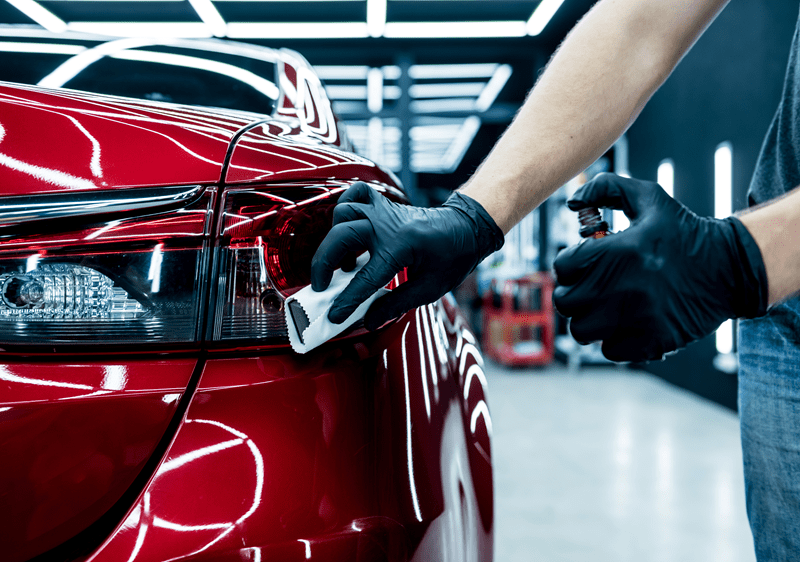
If you’ve been thinking about giving your vehicle a long-lasting shine, stronger defense against the elements, and that almost-new glow every time you catch a glimpse of it in the driveway, you’re probably hearing a lot about car ceramic coating. And honestly, it makes sense. People across the USA love their cars, and treatments that promise beauty plus protection always draw attention.
This guide walks you through what ceramic coating is, whether it’s really worth it, how it compares to other protection methods, and a handful of practical tips that help you avoid disappointment. Think of it as a friendly but informed chat with someone who has learned a thing or two about car paint protection coating and wants you to feel confident before you take the plunge.
A lot of drivers hear the term and assume it’s just another fancy wax. But ceramic coating for cars is a different thing altogether. Before you commit, it helps to know how this protective layer works, what it realistically does, and where people sometimes get mixed up.
Ceramic coating creates a semi-permanent shield on your vehicle’s paint. Instead of sitting on the surface like old-school wax, it bonds with your car’s paint to form a tougher, more durable layer.
Many call it nano ceramic coating because the molecules are so tiny that they settle into microscopic gaps in the paint, creating smoothness you can actually feel.
Most car owners want ease. They want fewer weekend cleaning chores and more time to enjoy the open road. Ceramic coating helps with that. It can make your car easier to wash, add a sleek gloss, and help prevent contaminants from sticking.
Things like bird droppings, road salt, hard water, and sticky tree sap don’t grip the surface as easily. And honestly, that alone wins people over.
There’s a myth floating around that ceramic coating makes your car invincible. It doesn’t. Your vehicle still needs regular washing. It can still get scratched. And no coating protects against everything. But compared to waxing, it’s a major upgrade.
Also read: When to Replace Tires: Warning Signs You Shouldn't Ignore
Before choosing a product or service, it helps to know the difference between a budget-friendly coating and a premium one. Each has its own pros and quirks, and the decision depends on your lifestyle.
DIY coatings have gotten really popular because many offer decent results for less. Brands sell kits with applicators and instructions that aren’t too scary. The downside is that they usually don’t last as long as professional coatings, especially in hot states like Arizona or Florida, where the sun stays relentless.
Professional-grade coatings often include multi-year warranties, thicker layers, and higher durability. Shops have tools like infrared curing lamps and polishers that help the coating stick better. You’ll pay more, but if you want that showroom-ready finish for years, it might be worth it.
If you love weekend car projects, a DIY kit can be satisfying. But if you're busy and want it done right without experimenting, a pro installer will lower your stress. Many drivers feel happier spending a bit more at a shop because the results stay consistent.
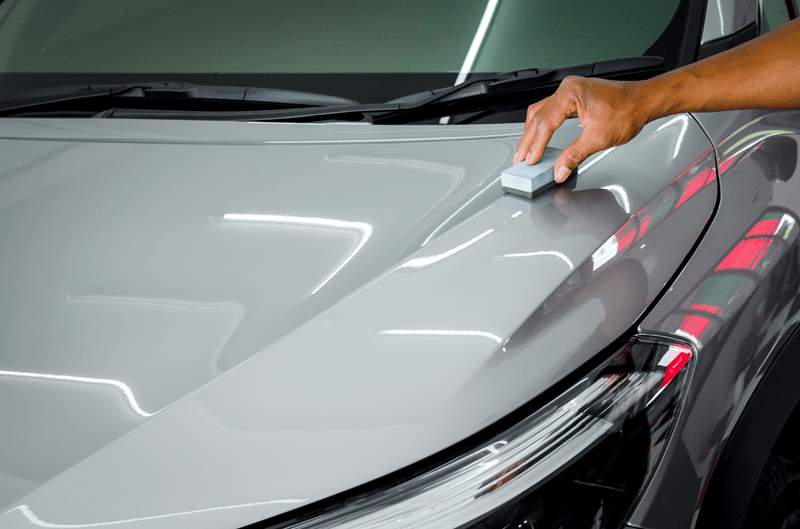
This part matters more than you’d think. Prep work is the backbone of good results. If the paint isn’t clean or smooth, the coating won’t bond correctly.
Before coating, the surface needs to be squeaky clean. Most installers use foam cannons, iron removers, and clay bars to pull out contaminants you can't see. That’s why your car should feel smooth as glass before anything touches it.
Small scratches, swirl marks, and faded areas should be fixed before applying ceramic coating. Otherwise, they remain trapped under the layer. This step takes time, but it pays off when sunlight hits your car, and you see that crisp reflection.
After polishing, installers use alcohol-based prep sprays to remove oil residues from the paint. This helps the coating bond tightly, almost like priming a canvas before painting.
Don't miss: Top 10 Car Safety Technology Features Drivers Can Rely On
Some drivers still swear by waxing because it’s familiar and cheaper. But if you’re making a long-term decision, comparing ceramic coating vs waxing gives you a clearer picture.
Wax adds shine and a temporary layer of protection. But heat, rain, snow, and car washes strip it off quickly. You might have to reapply every six to eight weeks, depending on your climate.
Ceramic coatings stay strong through harsh weather and frequent washing. With proper care, some professional coatings last three to five years. Plus, the gloss doesn’t fade as fast.
Once you know what coating can do, the perks become pretty obvious. There’s a reason people get so excited about it.
Ceramic coating keeps your paint looking clearer and brighter for longer. Even older cars get a noticeable refresh when coated after proper paint correction.
Road salt, UV rays, and acidic contaminants can dull your car's appearance. Ceramic coating adds a barrier that slows down aging, especially in harsh climates.
Water beads off the surface and rolls away more easily. Dirt doesn’t cling as stubbornly. That means quicker washes and fewer scratches caused by scrubbing.
Read more: Improve Fuel Efficiency Without Costly Modifications
Even though ceramic coating sounds simple, a few errors can cause problems.
Skipping prep work traps grime beneath the coating. This can dull the appearance and reduce adhesion.
Most coatings require time to cure. Avoid washing your car for at least a week unless your installer gives different instructions.
Car ceramic coating isn’t magic, but it’s definitely impressive when applied correctly. It gives your vehicle a smooth shine, makes cleaning easier, and helps preserve the paint through different seasons across the USA. Whether you choose a DIY kit or a professional shop, the key is setting the right expectations and understanding the process. Once you do, the results feel rewarding every time you step outside and admire your ride.
Yes, it works on clear coat, single-stage paint, and even vinyl wraps. Just make sure the surface is prepped well first.
DIY coatings last around one year, while professional coatings can last three to five years with proper care.
No, waxing isn’t necessary. Ceramic boost sprays are better for maintaining the surface.
It helps reduce minor scratches but won’t stop deep scratches or rock chips. A clear bra provides stronger physical protection.
This content was created by AI