

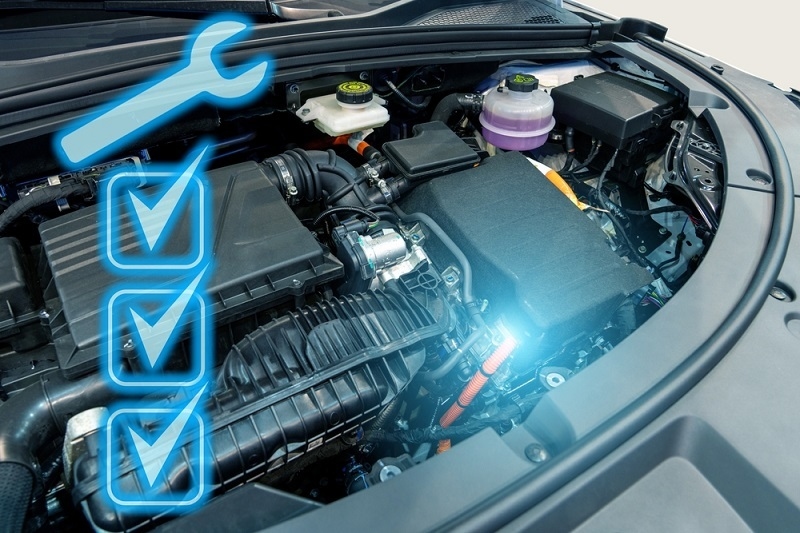
Hybrid cars have gone from niche to normal on American roads. You see them in grocery store parking lots, school drop-off lines, and long freeway commutes. They promise better mileage, fewer emissions, and quieter drives. But here’s the thing. Those promises only hold if you take hybrid car maintenance seriously. This guide walks you through how to maintain a hybrid car without stress, mystery, or unnecessary expense. We will talk batteries, engines, brakes, software, and the small habits that quietly save you money year after year. Think of it as a long conversation with someone who has learned a few things the hard way.
Every hybrid owner starts with the same question. Is this going to be complicated? The honest answer is no, but it is different. A little awareness goes a long way.
Hybrid vehicles blend a gas engine with an electric motor and a battery pack. Teamwork is the magic. It is also why hybrid car maintenance feels unfamiliar at first. You are not just caring for one system; you are caring for how systems talk to each other. The good news is that brands like Toyota, Honda, and Ford have refined this tech for years. It is stable. It is predictable. It just needs respect.
Here is a mild contradiction for you. Hybrids often need less frequent service, yet skipping checkups hurts them more. Strange, right? Because everything is connected, small issues ripple outward. Following the service schedule and paying attention early keeps costs low. And boring is good when it comes to cars.
The battery gets all the attention. It should. But not in the way most people fear.
Most hybrids manage charging on their own. You do not plug them in unless they are plug-in hybrids. Still, how you drive affects battery health. Smooth acceleration, steady cruising, and letting regenerative braking do its thing all help. Aggressive driving is like constantly yelling at your battery. Honestly, nobody performs well under that.
American weather is a mixed bag. Summers in Arizona cook. Winters in Minnesota bite. Extreme temperatures stress batteries. Parking in shade, using a garage when possible, and not leaving the car unused for months all help. If you travel seasonally, ask your dealer about storage tips. It is a five-minute chat that can save real money.
Short trips are convenient, but they can be tough on hybrid batteries over time. When the car never gets a chance to warm up fully, the battery and control systems stay in a constant start-stop pattern. An occasional longer drive helps balance the battery cells and lets the system settle into its sweet spot.
Read More: Global Report Car Sales Q1 2025: Top-Selling Models
Some folks forget hybrids still have engines. That engine still needs love.
Yes, hybrids use their engines less. No, that does not mean oil lasts forever. Oil ages even when mileage stays low. Stick to time-based oil changes if you do not drive much. Clean oil keeps internal parts calm and cooperative, especially when the engine cycles on and off.
Hybrids have extra cooling needs, especially for batteries and power electronics. Coolant levels matter. Vents matter. Blocking battery cooling vents with bags or pet hair is more common than you think. A quick vacuum now and then is a quiet act of kindness.
This is where hybrid car care tips start to feel rewarding.
Regenerative braking slows the car while charging the battery. That means less work for brake pads. Many hybrid owners go twice as long between brake jobs. Still, brakes can rust if ignored. Annual inspections keep surprises away. You save money by checking, not by forgetting.
Tires affect mileage more than most people realize. Underinflated tires drag you down. Literally, check pressure monthly. Rotate on schedule. Choose low rolling resistance tires when it is time to replace them. It feels small, but it adds up at the pump.
Don't Miss: New Car Safety Features 2025 Rolling Out: A Quick Guide
Modern hybrids are rolling computers. That is not a bad thing.
When a hybrid throws a warning light, it is rarely dramatic. Sensors track battery health, emissions, and power flow. Ignoring alerts can push a simple fix into expensive territory. If your dash lights up, listen. It is the car clearing its throat, not shouting.
Dealers know hybrids well, especially for software updates. Independent shops often cost less for routine work. The sweet spot is balance. Use dealers for recalls and updates. Build a relationship with a local shop for basics. Ask if they have hybrid experience. Many do, especially in larger US cities.
This is where habits beat hardware.
Smooth beats fast. Anticipating stops saves brakes and battery. Using eco modes actually helps, despite the jokes. Honestly, driving a hybrid well feels like a quiet game. Can you coast just right? Can you time the light? It becomes second nature.
Road trips in summer. Salted roads in winter. Pollen in spring. Each season brings its own wear. Check fluids before long drives. Rinse undercarriages after snowy months. Replace cabin air filters during allergy season. These are small rituals that keep the car feeling fresh.
Also Read: Breaking Down the Biggest Car Recalls of 2025 So Far
Hybrid ownership is not about perfection. It is about attention. Hybrid car maintenance works best when it feels normal, almost boring. You check things. You listen. You act early. Over time, the payoff is clear. Lower fuel bills. Fewer repairs. A car that feels steady year after year. If you have ever wondered how to maintain a hybrid car without overthinking it, this is the answer. Care consistently, drive calmly, and let the technology do what it was built to do.
Most hybrids follow standard service intervals, but time matters as much as miles. Annual checkups are a smart baseline.
Batteries do age, but many last well over eight to ten years. Good driving habits and climate care slow that process.
Not usually. Many owners spend less over time due to reduced brake wear and better fuel efficiency.
Yes, but experience matters. Ask if the shop regularly handles hybrids and diagnostic software before committing.
This content was created by AI